

Seasons come and go while the world continuously moves forward with time, never slowing down. While we’re entering winter, spring will be here before you know it, with fluctuating temperatures in the coming months. It could snow and be below freezing one day, while the next day could bring springlike temperatures that require a light jacket. Kansas City’s weather is unpredictable, and every local knows the fluctuating temperatures each season can wreak havoc on our homes.
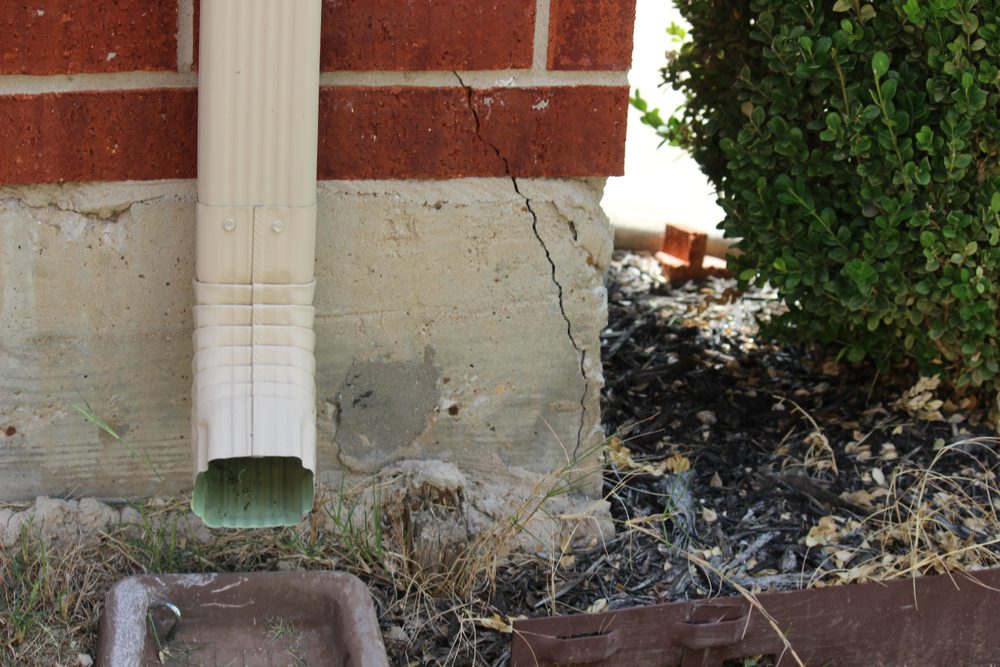
Seasonal changes do more than confuse locals about how to dress for the day; they can also harm your home’s foundation. Foundations literally hold our homes up, creating a stable protective barrier between the ground beneath our homes and our main levels. They help keep our homes drier and stable. However, they are prone to damage, especially during seasonal changes.
You may have foundation issues and not even realize it, or know how to repair or prevent them. Continue reading to learn how foundation damage occurs due to seasonal changes and how polyjacking can help prevent foundation damage, keeping your home’s structural integrity intact.
How Seasonal Changes Cause Foundation Damage
Home foundations are the first major structural component of a home, followed by everything else built on top of it: framing, roofing, siding, and much more. When foundation damage occurs, homeowners are often left with a high fee for foundation repair services that can average nationally at around $5,100. Therefore, keeping your foundation free of damage or repairing it immediately is paramount to your home’s structural integrity.
Though foundations can be damaged by many different things, seasonal damage is among the top reasons why foundations require repair. Below are some of the ways seasonal changes cause foundation damage, organized by season:
Winter
Kansas City winters are unpredictable: one day temperatures are below freezing with snow flurries, while the next day it’s sunny and 60°F. Though our average daytime temperatures are around 40°F, our overnight lows often flirt with freezing, with occasional highs in the teens or single digits. These fluctuating temperatures lead to a freeze-thaw cycle, which expands and contracts underground water, causing soil to shift. The foundation can be pushed during winter’s freeze-thaw cycle, causing it to crack and get damaged.
Spring
Think of all the moisture the ground gets in the spring months, from snowmelt to the rainy season kicking off here in Kansas City. We get on average 10-11 inches of rain during spring, with most rainfall in May. This moisture seeps into the soil and eventually reaches your foundation. Eventually, a faulty drainage system or faulty gutters can result in cracked foundations, leaky basements, or flooding.
Summer
Our summers can be scorching and dry with frequent mentions of a regional drought. As the soil dries, it contracts, creating gaps between the soil and foundation, and loses support. The lack of support can result in cracks and costly repairs.
Fall
Prime foliage time means leaves will soon fall from the trees, clogging gutters and leaf piles near foundations. Leaves retain moisture, making it difficult for water to pass through gutter systems. This water will pool near a home’s foundation, seep through, and cause damage like leaky basements or cracked/crumbled foundations.
Foundation issues are serious, so getting them repaired or fixing unlevel concrete is paramount to your home’s structural integrity and to prevent even more costly damage. Polyjacking for foundation protection is the best step you can take to protect your foundation from damage.
What is Polyjacking, and How Does Polyjacking Prevent Foundation Damage Due to Seasonal Changes?
Some common foundation issues can be repaired before they become serious problems, and one repair is polyjacking. Unlike other methods, such as mudjacking, polyjacking targets the real issue by stabilizing the unstable soil beneath cracked or sunken concrete, making it a permanent fix rather than a temporary one.
When soil settles, foundations can crack, sink, and become uneven, leading to common foundation issues. Unfortunately, a foundation with weak soil will continue to crack or sink, worsening the foundation damage and creating structural issues. Polyjacking involves injecting lightweight polyurethane foam that expands and settles the soil within a few minutes. Our polyurethane foam flows into voids and gaps, creating a durable support system within minutes and offering foundation protection.
The science behind polyurethane foam is fascinating, and our polyjacking process is quick and easy, offering you permanent polyjacking foundation protection. Because polyjacking is a permanent concrete leveling solution, it prevents foundation damage due to seasonal changes, unlike mudjacking, a temporary method that requires repeat applications year after year.
Trust Pro Polyjacking for Polyjacking Foundation Protection
If you need your unlevel or cracked foundation repaired (or a sinking pool deck, cracked driveway, or patio), hiring Pro Polyjacking is the best way to protect your foundation. We have over 30 years of industry experience and have been serving Kansas City for decades. We’re proudly a woman and family-owned local business with positive reviews and thousands of satisfied customers. Below are some of our customer reviews:
Pro Polyjacking can help with all residential and commercial concrete leveling needs in and around Kansas City, including: residential concrete leveling, commercial and industrial concrete leveling, concrete sealing and cleaning, deep injection, joint and crack repair, and farm silo polyjacking. We hold all required licenses and insurance that protects our employees. We also offer a warranty on all our projects, ensuring our customers are left completely satisfied.
Cracked foundations are dangerous and unsightly, especially if they go unrepaired. Trust the team at Pro Polyjacking in Kansas City for your concrete leveling job, regardless of the season. Contact our team for more information about polyjacking your sunken or cracked foundation!