
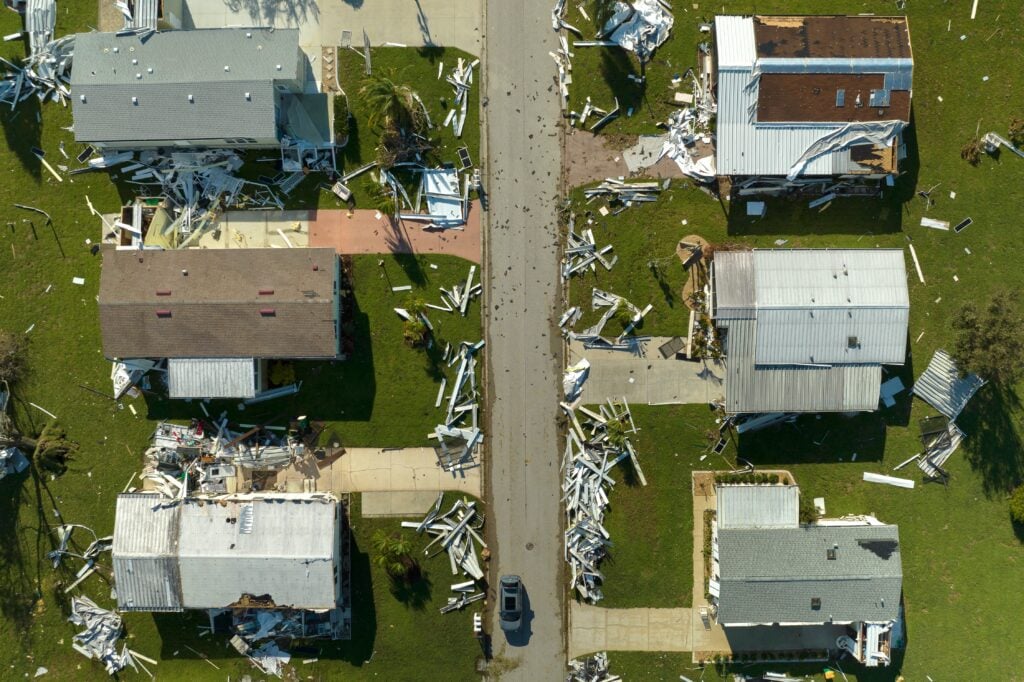

Kansas City is no stranger to severe weather, let alone natural disasters. Our weather is often unpredictable, regardless of season, with severe weather a recurring threat. From severe thunderstorm and rainstorm warnings in the spring and fall to sudden ice storm threats during the winter months, Kansas City locals understand that our weather is anything but predictable.
Severe weather poses the risk of damage to your residential or commercial properties. Strong wind gusts, torrential downpours, flood waters, and heavy snow or ice can damage your home’s roof, landscaping, siding, and, in rare cases, your foundation or basement. Kansas City homeowners must be prepared for natural disasters, taking every precaution to protect their homes from severe damage.
Did you know that polyjacking is a crucial preventive measure for concrete stability? Continue reading to learn why it’s important to prepare for natural disasters, and specifically why polyjacking is a key preventive measure.
Kansas City Natural Disasters
The term natural disaster” is often mentioned throughout news channels and other resources, but to be correctly categorized as a natural disaster, a weather event must meet two requirements: be a natural hazard and be harmful to humans. Plenty of natural hazards occur daily, but if an area is uninhabited or no damage or injuries are reported, it can’t be categorized as a natural disaster.
Since many Kansas City metro residents work in the city but live in Missouri or Kansas, we pulled information on both states regarding natural disasters. According to the National Centers for Environmental Information and the National Oceanic and Atmospheric Administration, there have been multiple natural disasters with losses that exceed $1 billion. Most natural disasters have been severe storms, totalling over $20 billion, and droughts, with an average of $10 billion in losses.
How to Prep Your Home for Natural Disasters
Since Kansas City and surrounding areas are no strangers to natural disasters, as a homeowner or business owner, you’d do anything it takes to protect your home, loved ones, business, and patients/clients. Prepping your home or business for natural disasters might not fully protect you from losses, but it can help significantly:
Stay Informed
One of the best ways to learn about severe weather or weather-related events that have the potential to become natural disasters is to stay informed. Pay attention to local news sources by watching weather reports or downloading a weather app to stay informed about the threat of severe weather or events. You’ll also receive emergency warnings and threats on your compatible smartphone as long as it has a cell signal, isn’t in airplane mode, and has location services enabled. It’s also wise to have an emergency radio handy just in case the cell signal is down, ensuring you can stay connected when other forms of communication are down.
Create a Family Plan
Whether you have children, elderly loved ones, extended family, or pets living in your home, create a family plan that’ll be helpful during a natural disaster. Ensure everyone knows where to meet and seek shelter during a natural disaster. Having a clear family plan in place keeps the family together and protected, so the sudden threat of severe weather still keeps everyone informed and together.
Keep a Disaster Preparedness Kit
Another great way to prep your home for natural disasters is to keep a disaster preparedness kit on hand just in case a natural disaster occurs. Keeping a weather-resistant storage container stocked full of emergency tools and food keeps your loved ones safer. Consider placing the following in your disaster preparedness kit:
- Flashlights with extra batteries
- First-aid kit
- Emergency radio
- Water
- Non-perishable food
- Can opener
- Emergency blanket
- Extra medications
- Pet supplies, if applicable
- Baby supplies, if applicable
Keep your disaster preparedness kit handy and ensure the whole family knows where it’s stored so they can access it if need be.
Secure Your Home
Do you own a waterfront home or business? Secure it as best you can during severe weather or flood threats by placing sandbags and securing your windows. Consider installing storm shutters to provide extra protection. Other steps to protect your home include: obtaining homeowners insurance with coverage for severe weather that’s a threat in our area, keeping gutters clear, securing loose outdoor objects, anchoring heavy outdoor furniture and components, and making necessary repairs to your home.
If you have a roof with existing damage or a concrete patio that’s unlevel, consider having them fixed before additional damage can occur from a natural disaster. Have loose shingles repaired or the entire roof replaced, and consider having your concrete surfaces polyjacked to ensure stability.
Why is Polyjacking a Key Preventive Measure for Concrete Stability?
Concrete is prone to cracking, spalling, and damage from water and sunlight. This ongoing cycle of soil expansion and contraction, excessive moisture and drying, causes it to shift underneath the concrete. When soil shifts under a concrete slab, it can crack and become uneven. The more the soil shifts underneath, the worse the concrete cracks will get. If you spot cracked, uneven, or flaking concrete, it’s a good idea to fix it promptly to prevent further damage from a natural disaster.
When it comes to concrete repair, two common techniques are available: mudjacking and polyjacking. Mudjacking is a temporary solution that requires routine maintenance, while polyjacking is a permanent concrete leveling solution that fortifies the soil while lifting the concrete. Unlevel concrete damaged by previous natural disasters can be instantly and permanently lifted with stabilized soil that won’t shift again from flooding or excess moisture. Polyjacking for disaster preparedness is a key preventive measure for concrete stability.
Trust Pro Polyjacking for Disaster Preparedness
For polyjacking for disaster preparedness, trust the pros at Pro Polyjacking. Our process for Polyjacking for disaster preparedness stabilizes the soil, lifts concrete, eliminates cracks, and levels your concrete structures, keeping loved ones and the general public safe.
Cracks, unlevel spots, spalling, and other damages are unsightly, especially if they go unrepaired. Trust the team at Pro Polyjacking in Kansas City for your concrete repair now, regardless of the season. Contact our team for more information about Polyjacking for disaster preparedness!