
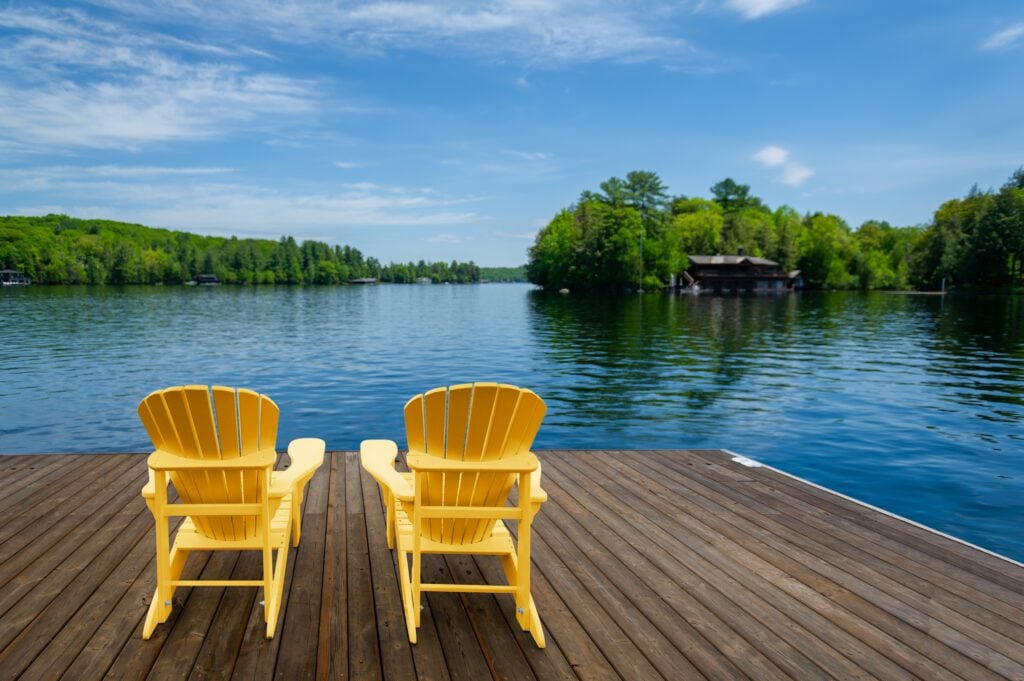

Owning a waterfront property is a dream come true, but it comes with its own set of challenges as you navigate how to care for your property. Whether you own a commercial, rental, or residential property, there’s extra care you put into your waterfront property to ensure it’s well-maintained and safe. From extra moisture control to extra storm-readiness preparedness measures, there’s much to consider when taking care of your waterfront property.
One thing to add to your checklist that you might not think about is ensuring you’re fully protected from erosion and water-related issues, especially on your home’s foundation, patios, dock, walkways, and sidewalks. Safety is paramount, and you want your property to be as safe as possible to protect those you love.
If you own a waterfront property or are considering purchasing one, continue reading to learn about polyjacking for waterfront properties and how it can help remedy and prevent issues associated with erosion and water-related issues.
Water-Related Risks with Waterfront Properties
Finally own that waterfront property you’ve dreamed of? Congratulations! Now it’s time to take every precaution possible to protect it from water-related issues to maintain its structural integrity. Luckily, you can take some measures to protect your home and prevent water-related issues. Below are some of the most common risks to be aware of:
Flooding
A home on the water has a significantly higher risk of being in a flood zone compared to a more inland home. Whether your home or business is on or near Milford Lake, Tuttle Creek Lake, or another body of water in or around Kansas City, there is a risk of flooding, especially during the rainy season. Increased rainfall, snowmelt, or tides can cause water levels to rise, forcing lake water to seep into nearby grounds and properties.
Flooding can damage your home’s foundation, forcing water to seep into basement walls, garages, and doors. Water damage from flooding can cause structural damage to your home or commercial property, damaging other components, including patios, walkways, sidewalks, and docks. When concrete is exposed to excessive water, it can wash away the soil underneath the concrete and cause cracks and separation.
Erosion
Erosion can occur from water or wind, water erosion being the most common when you own a waterfront property. Soil has five layers: bedrock, which is solid rock beneath all other layers; pieces of rock and organic material; subsoil that contains minerals and deeper roots; topsoil, which has organic matter; and the humus layer, which contains animal matter and decomposed leaves. Whether from rising lake waters or increased rainfall, waterfront properties often have a higher risk of erosion. Erosion washes away the topsoil, ultimately causing the soil underneath to shift, resulting in sinking and uneven concrete.
Material Breakdown
Did you know that freshwater can cause corrosion? Your waterfront property doesn’t need to be on or near saltwater for corrosion to occur; freshwater lakes and waterways can cause metal and other materials to rust and corrode. Constant exposure to water and higher humidity levels can cause components of your home to warp and deteriorate faster, including concrete that’s exposed to moisture.
Storm Surges
Though they’re often less destructive than oceanfront storm surges, freshwater lakes and other bodies of water can experience storm surges that put your waterfront home at risk of damage, especially to concrete structures like the foundation, patio, and pool deck. Excessive exposure to moisture can cause the concrete in these structures to weaken over time, eventually cracking and creating uneven surfaces. Uneven walking surfaces can be major trip hazards, causing serious injury to your loved ones and guests.
Increased Wildlife & Insect Activity
Living near water means more wildlife near your property than inland properties get. There are often more birds, aquatic life, amphibians, and even burrowing pests that find the richer vegetation appealing. Unfortunately, burrowing pests can cause concrete to sink, creating those unsightly cracks and uneven surfaces around your home’s walkways, patios, decks, and entryways.
Protect Your Waterfront Property with Polyjacking
Concrete cracks over time, but owning a waterfront property means it’ll likely crack sooner than owning an inland home. Luckily, if you have uneven concrete or cracks in your concrete patios or pool decks, polyjacking can fix the damage and get your concrete surfaces safe and level.
For filling in and lifting concrete, consider polyjacking. Polyjacking injects a polyurethane foam under a concrete slab by injecting the foam under tiny holes. This polyjacking process stabilizes the soil and lifts the concrete to fix cracks and level the concrete. Unlike mudjacking, which uses cement, dirt, and sand to lift concrete, polyjacking is a permanent solution to lifting unlevel concrete and fortifying the soil underneath.
Trust Pro Polyjacking Concrete Leveling to Protect Your Waterfront Property
For concrete repair for your waterfront property, trust the pros at Pro Polyjacking. Our process for polyjacking waterfront properties stabilizes the soil, lifts concrete, eliminates cracks, and levels your concrete structures, keeping loved ones and the general public safe.
Cracks, unlevel spots, spalling, and other damages are unsightly, especially if they go unrepaired. Trust the team at Pro Polyjacking in Kansas City for your concrete repair now, regardless of the season. Contact our team for more information about polyjacking waterfront properties!