
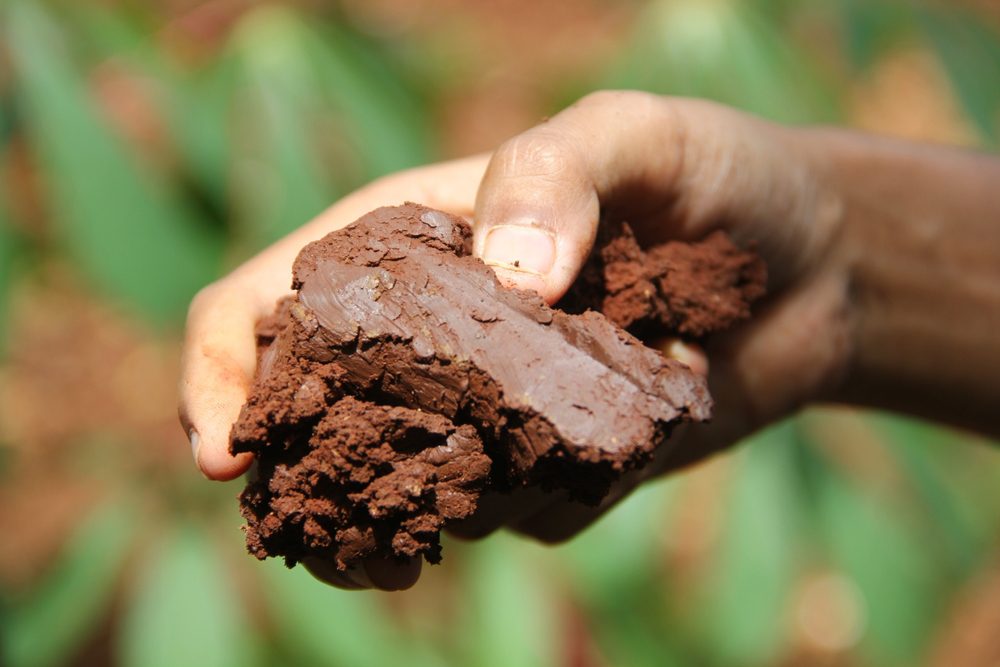

Did you know that not all soil is the same? Soil varies by location, and, surprisingly, a home in downtown Kansas City can have slightly different soil than a home in Overland Park or Lenexa. Several factors impact soil, including vegetation and land use, climate, the type of rocks it contains, and construction, among many others. Kansas City and surrounding cities are known for having soil that’s rich in clay and loam.
Soil type impacts a home’s or building’s foundation and concrete structures, including pathways, driveways, and decks. For example, a home with soil that’s prone to expansion and settling is more likely to develop issues that require polyjacking for concrete repair. Continue reading to learn how soil here in Kansas City and surrounding cities can negatively impact our foundations and how polyjacking works in various soils.
Common Soil Types in Kansas City and Their Impact on Concrete
There are several different types of soil, including clay, sand, and loam. Clay soil is the most common type found in and around Kansas City, a sticky, tightly packed soil that’s tough for water to move through, making it trickier than other types for growing delicate plants. Unlike clay, sandy soil is more loosely packed, composed of tiny sand particles that have difficulty retaining moisture. Loamy soil is like a combination of sandy and clay soil; it’s a mix of both that offers rich nutrients to help plants flourish, while retaining moisture without being sticky like clay soil.
While soil types can vary from city to city, homes in the Greater Kansas City area have clay-rich soils or a mix of clay and loamy soil. Clay-rich soil retains water well because it’s densely packed and sticky, but it can dry out during dry spells, forming large cracks in the soil that make growing plants difficult. While growing certain plants in clay soil can be challenging, it supports heavy structures, like home foundations, better than looser, sandy soils.
How Clay-Rich Soil Can Lead to Foundation and Concrete Damage
Understanding that our soil type is clay or a mix of clay and loamy soil, let’s discuss how it can impact foundation stability. A home’s foundation literally holds up the home, responsible for supporting the house while creating a barrier between the soil and the home’s interior. While growing plants in clay soil can be a challenge, it’s an ideal soil type for better foundation stability.
Because clay and loamy-clay soil is tightly packed, it’s better for supporting heavy structures such as foundations. Dense soil retains water well, and its sticky properties make it more difficult to wash away compared to sandy soil, which shifts more easily when exposed to moisture. This helps foundations by offering better support than looser soils. More support means foundations will crack less and the soil won’t shift as easily, also helping to prevent the soil from settling immediately after construction.
However, clay soil can also cause foundation issues during heavy or consistent rainfall or drought. As previously mentioned, clay soil easily retains moisture and remains sticky if it’s watered consistently. However, it doesn’t drain well, causing it to swell when it’s wet and shrink/crack when it’s dry. These moisture changes cause the soil to expand and contract, putting stress on the foundation or concrete structure. This stress can cause the foundation to crack or sink, leading to common foundation issues that require professional repair. While there are several different types of concrete repair methods, polyjacking is the most permanent solution.
Polyjacking: A Long-Lasting Concrete Repair Solution for All Soil Types
Before we explain how polyjacking works in various soils, let’s first discuss what exactly polyjacking is. Unlike other concrete leveling methods—mudjacking or DIY concrete leveling— polyjacking is a quick, durable solution for lifting and stabilizing concrete without the disruption of messy alternatives. Polyjacking uses a lightweight, high-strength polyurethane foam that’s injected beneath cracked or sunken concrete to restore it to its proper level.
Polyjacking is the number one concrete leveling solution for all soil types, as it can withstand dense clay soil, dry sandy soil, and well-balanced loamy soil. Regardless of soil type, polyjacking’s polyurethane foam is easily injected and cures within minutes. Polyjacking utilizes high-performance polyurethane foam that can displace voids and densify weak soils, lifting the sunken concrete back to its original position. It offers long-term durability, stability, and is resistant to moisture, freeze-thaw cycles, and soil movement.
Choose Pro Polyjacking for Concrete Repair in Kansas City
If you need your unlevel or cracked concrete repaired, hiring Pro Polyjacking is the best solution regardless of soil type. We have over 30 years of industry experience and have been serving Kansas City for decades. We’re a woman and family-owned local business with positive reviews and thousands of satisfied customers. Below are some of our customer reviews:
Pro Polyjacking can help with all commercial and residential concrete leveling needs in and around Kansas City, including: residential concrete leveling, commercial and industrial concrete leveling, concrete sealing and cleaning, deep injection, joint and crack repair, and farm silo polyjacking. We hold all required licenses and insurance that protects our employees. We also offer a warranty on all our projects, ensuring our customers are left completely satisfied. Get started by requesting a quote today!