
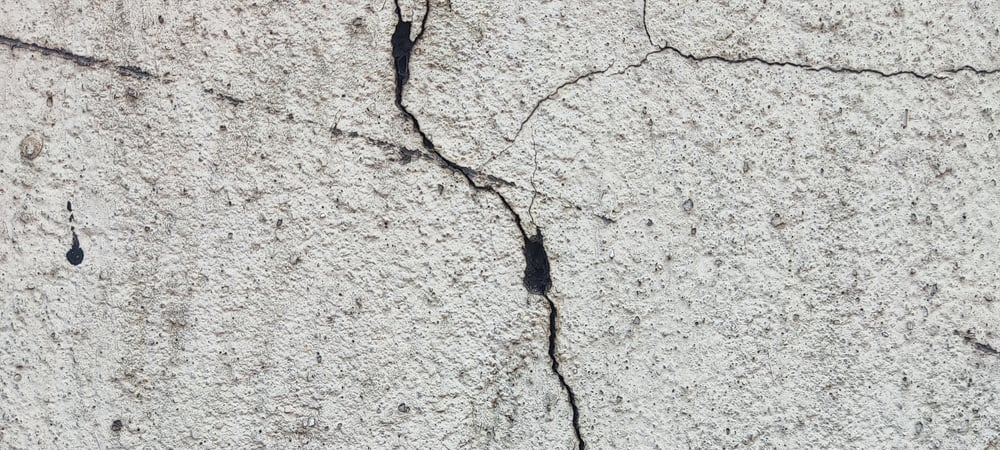

Noticing a crack in your driveway, sidewalk, or patio can be frustrating. But how do you know whether it’s a minor surface issue or a sign of a larger problem beneath the concrete?
Understanding the difference between cracked concrete and concrete settlement is important for choosing the right repair. While some cracks develop as concrete naturally ages, others happen because the soil underneath has shifted, eroded, or settled. Treating the visible damage without addressing the underlying cause may only provide a temporary fix.
Whether you’re considering residential concrete repair for your home or commercial concrete repair for a business property, knowing what to look for can help you make an informed decision. Here’s what causes concrete cracks, how settlement affects concrete, and when concrete leveling may be the right solution.
Why Does Concrete Crack?
Concrete is durable, but it isn’t immune to damage. Over time, exposure to weather, moisture, temperature changes, and everyday use can cause cracks to develop.
Some common reasons why concrete cracks include:
- Shrinkage during curing: As newly poured concrete dries, it naturally shrinks. If it dries too quickly or isn’t properly managed during installation, cracks may develop.
- Improper installation: Poor soil preparation, inadequate compaction, or incorrectly placed control joints can contribute to cracking.
- Temperature changes: Extreme heat and repeated freeze-thaw cycles can put stress on concrete and contribute to surface deterioration.
- Heavy loads: Vehicles, equipment, and other heavy machinery can place more stress on concrete than it was designed to support.
- Soil movement: When the ground beneath a slab shifts or settles, the concrete may crack as it loses consistent support.
Not every crack means your concrete is sinking. Small, stable surface cracks may be primarily cosmetic. However, widening cracks, uneven slab edges, or cracks accompanied by sinking can indicate a more significant problem.
What Is Concrete Settlement?
Concrete settlement occurs when the soil beneath a concrete slab moves, compresses, or erodes, causing the slab above it to sink. Unlike a surface crack, settlement involves a problem with the ground supporting the concrete.
Several factors can contribute to settlement, including:
- Poorly compacted soil beneath the original concrete
- Heavy rainfall and water erosion
- Changes in soil moisture
- Extreme conditions
- Expansive clay soils that shrink and expand
- Voids forming beneath the concrete
- Tree roots and other changes in the surrounding ground
When the soil loses its ability to support the slab evenly, sections of concrete may begin sinking or tilting. Cracks often develop as a result because the slab is no longer supported consistently.
In the Kansas City area, changing moisture levels and expansive clay soils can contribute to shifting ground and uneven concrete. You can learn more in our article, What Causes Concrete to Sink in Kansas City Homes?.
How to Tell the Difference Between Cracking and Settlement
So, how can you tell whether you’re dealing with a surface crack or a larger settlement issue? While a professional inspection is the best way to identify the cause, there are a few warning signs.
Signs of a possible surface crack:
- Thin cracks that don’t appear to be spreading
- Cracks without noticeable changes in slab elevation
- Minor surface damage or hairline cracking
- No visible gaps beneath the edges of the concrete
Signs of possible concrete settlement:
- One section of concrete sits higher or lower than another
- Cracks are widening or accompanied by uneven edges
- Sidewalks, driveways, or patios appear to be sinking
- Water collects in low spots after rainfall
- Gaps appear between the concrete and surrounding soil
The most important distinction is whether the concrete itself is damaged or if the ground beneath it has shifted. In some cases, both problems occur together.
Why Filling a Crack Isn’t Always Enough
When homeowners notice cracked concrete, their first instinct may be to purchase a concrete filler or sealant. These products can be useful for certain minor cracks, but they won’t correct a sinking slab or stabilize the soil underneath it.
If settlement caused the crack, filling the visible opening doesn’t address the underlying issue. The slab may continue moving, potentially causing the crack to reopen or new damage to develop.
This is why identifying the cause of the damage matters before choosing a repair method. Depending on the condition of the concrete, you may need crack repair, joint repair, concrete leveling, or complete replacement.
Pro Polyjacking offers crack repair services to help repair and seal damaged concrete, while concrete leveling can address certain problems involving sunken slabs and unstable support beneath them.
When Is Concrete Leveling the Right Solution?
If your concrete has settled but remains in suitable condition, concrete leveling may be an alternative to removing and replacing the entire slab.
Pro Polyjacking uses polyjacking, a process that injects high-density polyurethane foam beneath concrete. The foam expands to fill empty spaces, helps stabilize the supporting soil, and lifts the slab toward its intended position.
The process typically involves:
- Inspecting the concrete and identifying settled or cracked concrete.
- Drilling small injection holes through the affected slab.
- Injecting polyurethane foam beneath the concrete.
- Allowing the expanding foam to fill voids and lift the slab.
- Patching the injection holes after the work is complete.
Polyjacking can be used for residential surfaces like driveways, patios, and sidewalks, as well as commercial concrete applications. However, severely deteriorated or extensively broken concrete may not be a good candidate for lifting.
Don’t Ignore Cracked or Uneven Concrete
A crack in your driveway or sidewalk doesn’t always mean you have a major concrete problem. However, when cracks appear alongside sinking, uneven surfaces, or pooling water, they may indicate that the soil beneath the slab needs attention. Addressing the cause early can help prevent further deterioration and reduce potential safety concerns.
Whether you need residential concrete repair at home or commercial concrete repair for your property, Pro Polyjacking can help you determine the right approach. Contact Pro Polyjacking today to schedule an assessment and get an estimate for your concrete repair needs.