
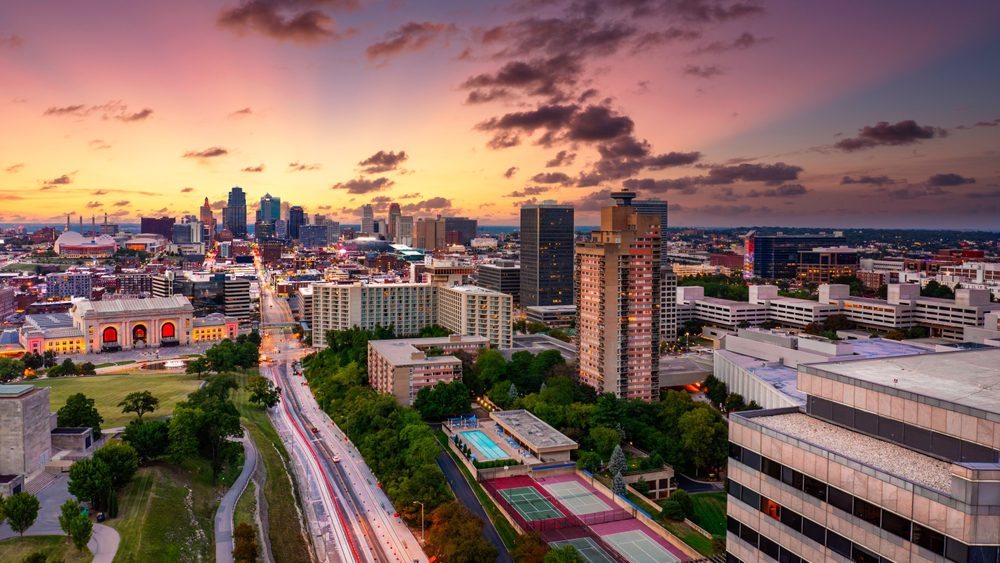

Whether traveling for work, bringing the kids to enjoy the park on a weekend afternoon, visiting the local theater, or going to a Chiefs or Royals game, we expect public spaces to be safe. Considering how often we use public sidewalks, roadways, and visit municipal places, we never think twice about whether the concrete surrounding us is safe, nor should we. However, concrete sidewalks, driveways, roadways, patios, and even parking decks can crack and become uneven, creating trip hazards in public spaces.
Walk around downtown KC, visit an outdoor bar, or use a public parking garage, and you’ll likely notice some unlevel concrete sidewalks, roads, decks, or steps. Concrete cracks are common, but they require immediate repair to ensure the public’s safety. Continue reading to learn why concrete cracks and the concrete leveling method called polyjacking and how it reduces trip hazards in public spaces and increases safety.
Why Do Concrete Structures/Walkways Crack?
Concrete is known for being tough, but it can still crack or become uneven over time. This doesn’t mean the concrete itself is weak—it’s usually outside factors that lead to damage.
So, what causes concrete to crack? One reason could be how it was originally mixed or poured. If the wrong type of concrete was used for the weight it needed to hold, or if it was poured on frozen or loose soil, problems can show up later. Sometimes, the concrete dries too quickly, or the control joints (which help manage cracking) are placed incorrectly, or there aren’t enough.
Aside from these human errors, nature also plays a big role. Hot summer days, freezing winter temperatures, and changing weather conditions all take a toll on concrete. But the most common reason concrete cracks or sinks is due to the ground underneath shifting. Over time, soil can settle, erosion occurs from rain or melting snow, or soil shifts from strong winds, causing the concrete above to move and break.
Dangers of Cracked Concrete
Concrete is designed to be safe for public use, which is why cities and individuals work hard to ensure it’s poured correctly, has the correct amount of control joints that are placed well, and is poured in ideal weather. Unfortunately, concrete will likely crack over time, creating trip hazards. Below are some dangers of cracked concrete:
Legalities
If you’re in charge of a city project, own public property, or lease a commercial space, it’s important to stay aware of the risks of uneven or cracked concrete. If someone trips, falls, and gets hurt because of unsafe concrete on your property, you could be held responsible—and that might lead to costly legal issues or even a lawsuit.
Trip Hazard
When concrete cracks and becomes uneven, one side often sits higher or lower than the other. This creates a tripping hazard that makes walking difficult and unsafe. Think about trying to assist your elderly family member to walk or navigate an uneven patio or park walkway, or walking through a downtown area where uneven concrete could easily catch your foot. These kinds of hazards in public places can lead to serious injuries, especially for young kids, older adults, or anyone with mobility challenges or disabilities.
Why Choose Polyjacking for Trip Hazard Reduction?
If you need to raise or stabilize concrete in a public area, polyjacking is the most reliable long-term concrete leveling solution. This method involves injecting a special polyurethane foam underneath the concrete. The foam quickly expands and hardens, lifting the concrete back into place and creating a solid, secure foundation, parking garage, sidewalk, and more—often within minutes.
We’ve used polyjacking to repair a wide range of public spaces, including parking garages, commercial buildings, city projects like parks and playgrounds, schools, and private business properties. (Check out our recent case study on a playground sidewalk repair we completed in 2022.)
What makes polyjacking stand out is that it strengthens the soil beneath the concrete. This added support helps prevent future sinking or shifting. Unlike other repair methods—such as mudjacking or DIY fixes—polyjacking reinforces the ground itself, making it a much more durable solution.
By choosing polyjacking for public spaces, you help protect people from trip hazards and injuries caused by uneven concrete. It also guards against future problems caused by soil erosion, weather changes, or ground movement—so the repair lasts for years to come.
Schedule Your Concrete Leveling Project with Pro Polyjacking
If you’re managing a commercial or municipal project, polyjacking from Pro Polyjacking is a smart and lasting solution for concrete repair. Our polyjacking for trip hazard reduction process strengthens the soil underneath the surface and lifts uneven or cracked concrete—whether it’s a sidewalk, driveway, patio, or foundation. Once repaired, your concrete stays level and stable, without the risk of future damage from shifting soil.
Getting started is simple. We offer a free inspection and no-obligation quote for our concrete leveling services. During the visit, we’ll talk through any issues you’re facing and explain how our polyjacking process can help. Once you approve the quote, we’ll schedule the job at a time that works for you.
Cracked foundations, sunken driveways, and uneven sidewalks can be a serious eyesore—especially around businesses or public buildings. For lasting, professional results, trust Pro Polyjacking in Kansas City. Contact us today to learn more about how we can help with polyjacking for trip hazard reduction!