
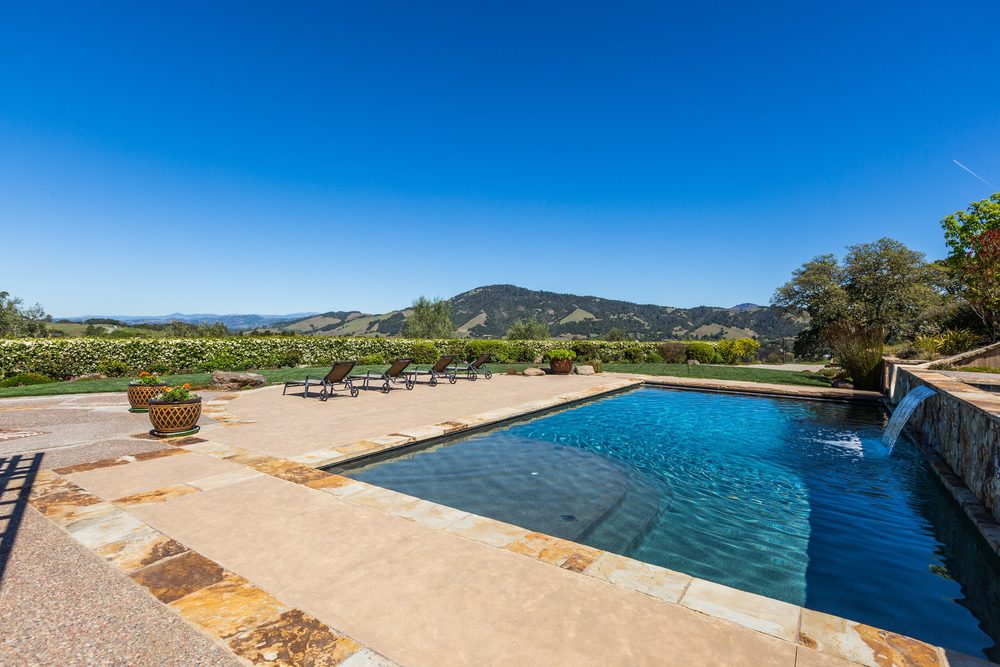

Whether you own a commercial building with a public or private pool, a community with a pool, or a home with a pool deck, you understand the importance of having a safe pool and pool deck for your patrons or family members to access. Pool safety is of the utmost importance for people of all ages, and the decking or surface surrounding the water must be safe to avoid serious injury.
Swimming pool injuries are unfortunately common; the National Electronic Injury Surveillance System (NEISS) reported over 155,000 swimming pool injuries in 2021, with most being slip and fall accidents on or near pool decks. Slippery surfaces are often to blame for pool deck injuries, but so are unlevel and sinking pool decks that cause slips and falls.
Fortunately, there is a leveling solution that corrects sinking pool decks: polyjacking. Continue reading to learn how polyjacking for pool deck leveling can correct sinking pool decks, keeping your guests or loved ones safer.
Why do Pool Decks Sink?
How old is your pool deck? If it’s decades old or even just a few years old, it’s likely to have started or has been slowly sinking over the years. Pool decks sink over time, often an inevitable occurrence. Like your home’s or commercial building’s foundation, pool decks will also settle over time, developing some uneven spots or cracks in the deck material. Below are some other things that cause pool deck sinking:
Soil Erosion
Whether your pool deck is located on a waterfront property or an inland one, soil erosion can contribute to sinking concrete. Soil is made up of five distinct layers: the bedrock, which is the solid foundation beneath everything; a layer of fragmented rock and organic materials; the subsoil, rich in minerals and deeper roots; the topsoil, which contains most of the organic matter; and the humus layer, filled with decomposed leaves and animal material. Properties located near lakes or other bodies of water are especially vulnerable to erosion from rising water levels or heavy rainfall. As erosion removes the topsoil, the ground beneath becomes unstable, often leading to soil displacement, sinking, and uneven concrete surfaces, like pool decks.
Improper Soil Compaction
Anything built on soil should be properly compacted during the construction process. However, improper soil compaction does occur, resulting in sinking pool decks. Some construction companies use the wrong compaction equipment, compact when the soil is too moist or dry, or fail to remove organic material, like sticks or pinecones, before compaction. Over time, improper soil compaction can result in poor drainage, soil erosion, and cracked and uneven pool decks.
Freeze-Thaw Cycles
Kansas City is notorious for having freeze-thaw cycles each winter and spring as the seasonal weather and temperatures fluctuate between cold and mild. This natural occurrence causes the soil under pool decks to expand and contract, loosening the soil over time, causing cracks and sinking.
Tree Roots
As roots expand, they can stretch outward toward nearby buildings or hard surfaces such as sidewalks, patios, decks, or parking areas. When roots grow too close to these structures, the pressure they exert can cause the concrete to lift or crack. Over time, concrete sinking due to tree roots can lead to uneven surfaces, tripping hazards, and even potential legal or safety issues if not properly managed.
Dangers of Sinking Pool Decks
Sinking pool decks are not only an eyesore, but they also present some serious dangers. Below are some of the dangers of sinking pool decks:
- Slips and falls
- Pooling liquid
- Structural concerns
- Increased maintenance
Sinking pool decks are dangerous for people of all ages, making it especially concerning for young children, the elderly, or those with balance challenges. Pooling liquid around the sinking pool deck can cause structural damage and erosion, ultimately resulting in increased and expensive maintenance and repairs.
Why Polyjacking for Pool Deck Leveling?
Polyjacking for pool deck leveling is the best solution for fixing a sinking pool deck. Other concrete leveling methods—mudjacking—are temporary fixes that need redoing because they don’t fortify the soil underneath the sinking concrete. Therefore, polyjacking is the best solution for pool deck leveling.
If your concrete has started to crack or sink, polyjacking offers a long-lasting way to bring it back to level. This method works by injecting a strong, expanding polyurethane foam beneath the slab, which gently lifts it into place while stabilizing the ground underneath. Unlike traditional concrete replacement, which involves tearing out old slabs and producing unnecessary waste, polyjacking is quick, clean, and eco-friendly. The foam used is chemically inert, so once it hardens, it won’t leak harmful substances into your soil or air. Even better, it strengthens the base below your concrete, preventing future settling from shifting soil. And because the results are permanent, you won’t have to worry about ongoing maintenance or repeat repairs like with older methods such as mudjacking.
Trust Pro Polyjacking, Kansas City’s Premier Polyjacking Company for Over 30 Years, for Polyjacking for Pool Deck Leveling
Trust the pros at Pro Polyjacking for polyjacking pool deck leveling. Our process for polyjacking commercial and residential spaces stabilizes the soil, lifts concrete, eliminates cracks, and levels your pool deck, keeping your loved ones safer.
Unlevel pool decks are unsightly, especially if they go unrepaired. Trust the team at Pro Polyjacking in Kansas City for your pool deck repair now, regardless of the season. Contact our team for more information about polyjacking for pool deck leveling!