
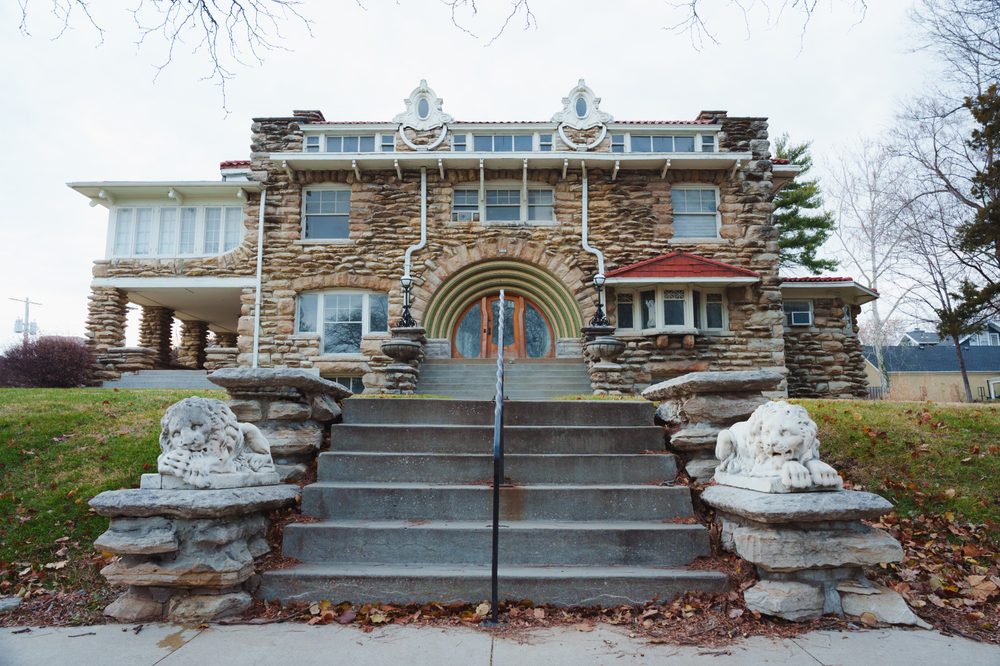

Everyone can agree that viewing historic homes, whether on a walking tour, while being a guest at a B&B, or simply driving by, is like stepping back in time. It’s exciting to take in the beauty of a historic home, to admire the architectural and historical significance, and feel like you’ve entered a different time period. Whether you own a historic home or manage the property, you understand the rules and guidelines for preserving the property’s original appearance and maintaining its historical value.
What style is your historic home? Perhaps it’s Colonial Revival, Cape Cod, Mediterranean, or Victorian. Whatever the design, historic homes bring undeniable charm and character to a neighborhood. Neighbors and visitors alike often admire their craftsmanship and the stories they represent. Over time, however, certain features will need to be repaired or replaced. When that time comes, updates must align with guidelines that preserve the property’s original appearance and historical value. One important element to consider is the concrete foundation, walkway, or pathways on the property.
If your concrete is unlevel or cracked, concrete repair can help maintain the architectural character and visual appeal of your historic property while providing reliable performance. Continue reading to learn about polyjacking, the best concrete leveling method, and whether it’s safe for historic homes.
Why Concrete around Historic Homes Cracks
If your home is listed on the National Register of Historic Places (NRHP), the property is at least 50 years old, has a meaningful connection to significant events or contributions in American history, or embodies distinctive architectural characteristics that reflect a particular style or period. That means the concrete foundation, driveway, walkways, sidewalks, or patio is at least 50 years old. Imagine all that wear and tear, especially with high foot traffic from visitors shuffling in and out throughout the years.
Though concrete is one of the strongest materials, it is prone to cracking. Concrete cracks for several reasons: the wrong strength was used to support a particular structure or weight, the concrete dried too fast, the wrong control joints were used, or there were issues with pouring concrete. Concrete can also crack or become unlevel from invasive tree roots, unstable soil conditions, freeze-thaw cycles, or water damage.
Concrete Leveling Methods
Historic homes must have unlevel or cracked concrete repaired to keep the public safe and to maintain their structural integrity. While repairs usually need approval before they take place, most historic homeowners opt for concrete leveling methods, such as mudjacking or polyjacking. But what are the differences between polyjacking vs. mudjacking? Below is a bit more about each method:
Mudjacking
Mudjacking has been used since the early 1900s, and while the basic idea remains the same, the techniques have evolved. In its earliest form, the process involved injecting actual mud beneath uneven or sunken concrete slabs to raise them back into position. Today, instead of plain mud, contractors use a blended mixture of sand or soil with cement, creating a more durable base that provides longer-lasting support.
Though it has evolved, there are some cons of mudjacking to be aware of. For one, it’s a temporary solution that needs repeating every few years because it doesn’t fortify the soil, costing you more money in the long run. It also leaves unsightly holes that can negatively impact your historic home’s beauty. It’s also not water-resistant, often cracking from exposure throughout the years.
Polyjacking
Polyjacking works by drilling small openings into a settled or uneven concrete surface and injecting polyurethane foam through those openings. As the foam is introduced beneath the concrete, it expands, filling gaps and stabilizing the underlying soil. This expansion gently elevates the concrete, restoring it to its proper height and alignment with the surrounding driveway, patio, or other paved surface. The holes are kept about the size of a dime because the expanding foam does the heavy lifting, allowing for effective leveling with minimal surface disruption, ideal for historic home preservation.
Unlike mudjacking, Polyjacking is the most permanent concrete leveling solution for uneven driveways, patios, walkways, or other concrete structures. Polyjacking has become a leading choice for concrete leveling and is widely favored by homeowners. Polyjacking has many benefits, including money savings for a permanent solution. Tiny holes—about the size of a dime—are drilled into the concrete, much less noticeable than large holes required to inject the mudjacking solution.
Is Polyjacking Safe for Historic Homes?
Polyjacking is absolutely safe for historic homes. Polyjacking for historic homes is the ideal concrete leveling method because it offers minimal disruption and the lightweight material aids in controlled lifting. Not only will your historic home’s structural integrity be restored, but it’ll never need repeating in the same spot, requiring you to jump through fewer hoops for future repair approvals.
Polyjacking also offers environmental benefits that can help preserve other parts of your historic home; polyjacking helps prevent soil erosion because it’s the only concrete leveling technique that fortifies the soil, never causing soil erosion like other methods do. It also creates less waste than concrete replacement.
Choose Pro Polyjacking for Your Historic Home
If you need your unlevel or cracked concrete repaired on your historic home, hiring Pro Polyjacking is the best solution. We have over 30 years of industry experience and have been serving Kansas City for decades. We’re a woman and family-owned local business with positive reviews and thousands of satisfied customers. Below are some of our customer reviews:
Pro Polyjacking can help with all commercial and residential concrete leveling needs in and around Kansas City, including: residential concrete leveling, commercial and industrial concrete leveling, concrete sealing and cleaning, deep injection, joint and crack repair, and farm silo polyjacking. We hold all required licenses and insurance that protects our employees. We also offer a warranty on all our projects, ensuring our customers are left completely satisfied. Get started by requesting a quote today!